Prevent rollaways. Protect people. Preserve equipment.

21/05/2026

Across New Zealand’s civil and construction industries, fleet safety expectations are rising. One issue is getting more attention than ever: rollaway incidents involving heavy vehicles.

They don’t happen every day, but when they do, the consequences can be serious. Increasingly, they are being looked at not just as accidents, but as preventable risks.


Safety Expectations are Shifting

There has been a noticeable shift in how rollaway risks are being viewed across the industry.

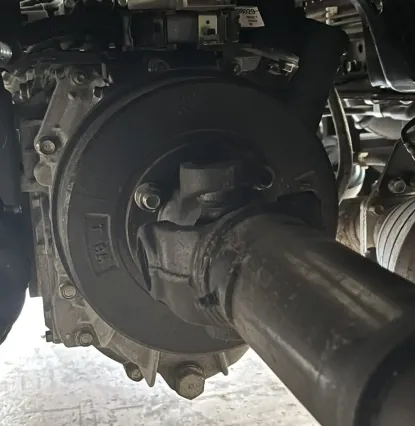
NZ Transport Agency Waka Kotahi has issued a safety notice around cardan shaft parking brake systems, reminding operators of the importance of proper maintenance and correct setup. In simple terms, these systems need to be properly maintained, correctly adjusted, and understood within their operating limits. 

At the same time, industry guidance is making it clear that meeting minimum requirements does not always mean you are fully protected in real-world conditions.

In day-to-day operations, conditions are rarely perfect. Sites are not always level, loads can change, and vehicles stop and start frequently. That’s where risk can creep in.


For fleet operators, the conversation is shifting from:

“Are we compliant?”
to
“Are we actually managing the risk?”

Even a low-speed rollaway can cause serious harm, especially on worksites or in public areas where people are nearby.

Responsibility is now being viewed more broadly. It is not only about what the driver does in the moment, it is also about how vehicles are maintained, what systems are in place, and how risks are managed across the entire operation.

WorkSafe and industry bodies have been clear on this. Safe outcomes rely on safe systems, not just safe behaviour.

What Makes a Fleet Safety-Mature

There is no single reason this is becoming a bigger priority. It is a combination of factors:

  • Real incidents have occurred
  • Regulators are paying closer attention
  • Expectations around workplace safety are higher
  • Operators are under more pressure to manage risk properly

Put simply, there is growing recognition that rollaways are not just one-off events. They are a known risk that needs to be actively managed.

From Basic Controls to Better Protection

Most fleets already have safety practices in place, including park brake use, driver training, and standard operating procedures.

These are still important. But they rely on consistency. Real-world conditions are not always consistent.

That’s why more operators are starting to look at safety differently. Instead of relying on a single layer of protection, the focus is shifting toward multiple safeguards and systems that support drivers in real time.

It is about building a safety approach that holds up not just in theory, but in everyday conditions.


What This Means for Fleets

For many fleet managers and safety teams, this shift is prompting a closer look at how rollaway risks are handled.

That might involve reviewing current procedures, checking how vehicles perform across real worksites, and identifying where additional layers of protection could reduce risk. 

When it comes to heavy vehicles, even small gaps in protection can have serious consequences.

Engineered safety systems, such as the MAX-SAFE Anti-Rollaway Brake System™, are designed to add that extra layer of protection. By monitoring key vehicle inputs and warning or intervening when rollaway risk is detected, they help reduce reliance on manual checks alone.


Conclusion

Rollaway prevention is becoming a bigger priority because it sits at the intersection of safety, compliance, and real-world risk. As expectations continue to rise, fleets that take a proactive approach will be in a stronger position. Not just to meet requirements, but to genuinely reduce risk.


📞 Phone: 06 359 0100
✉️ Email: [email protected]
📍 Address: 691 Tremaine Ave Palmerston North


Take Action on Blind Spot Risk

If you’re reviewing safety across your fleet or want to understand how rollaway risks can be better managed:  Enquire about MAX-SAFE Anti-Rollaway Brake Systems for your fleet.


Back To Top

Popular Articles

20 – 02 – 2025